China travel inspiration
The Tujia ‘Walking Dead’: History Behind Western Hunan’s Corpse-Herding Legend
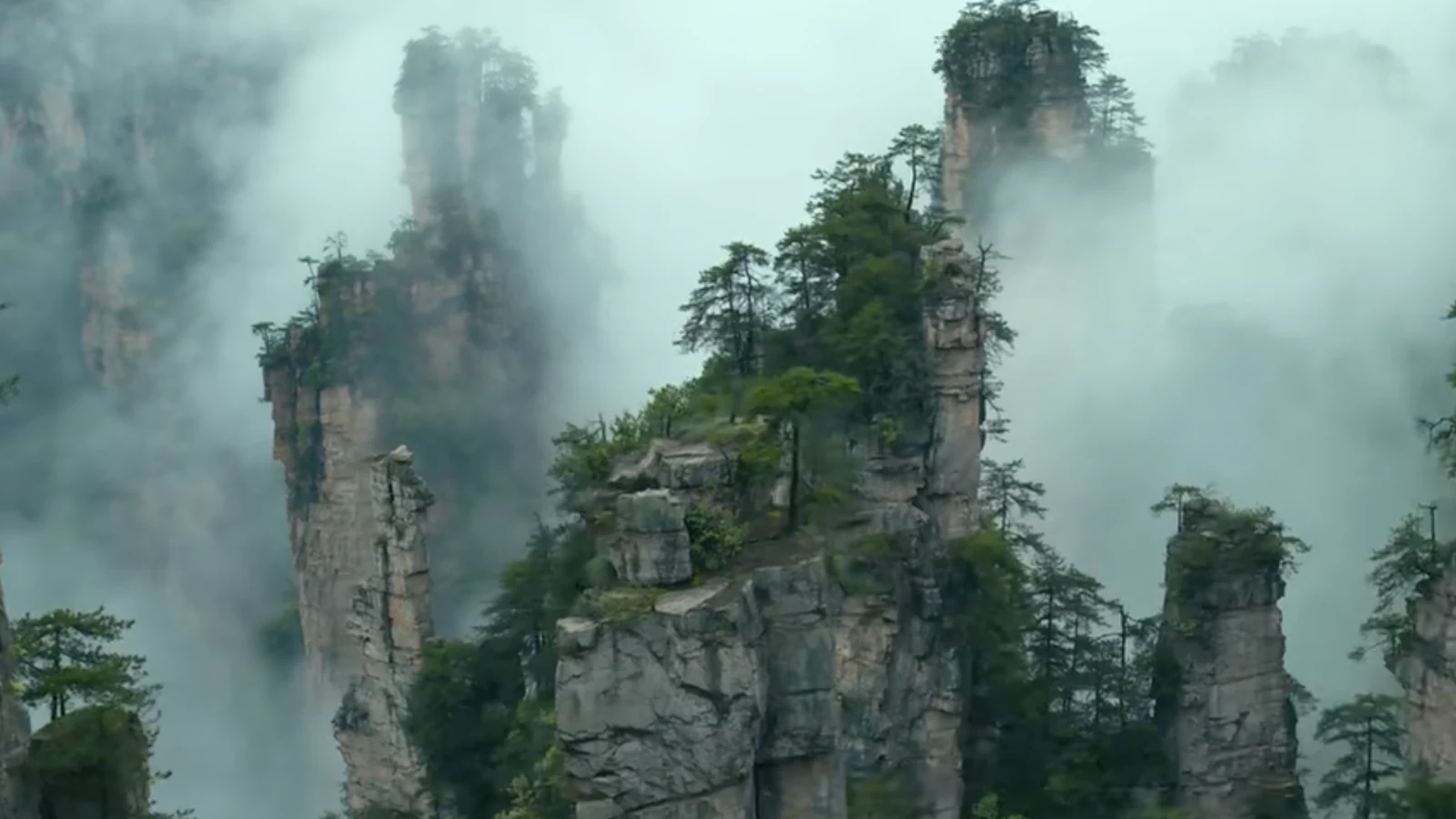
Now let’s talk about the creepiest, most mysterious tradition of the Tujia ethnic group: Herding corpse/real walking dead — the real custom behind China’s iconic hopping ghost story, jiangshi. Lots of people only know hopping zombies from a series of “jiangshi” movies, but this tradition isn’t just a made-up ghost story — it was a real burial trade born deep in the Wuling Mountains, where Tujia and Miao communities have lived for centuries. To break down all its secrets and show you different angles, I’ve studies the full Chinese documentary and other films. Let’s unpack everything step by step.
Part 1: Why This Weird Trade Even Existed
Back in the Ming and Qing dynasties, the mountains of Western Hunan were extremely rugged. There were barely proper roads, and traveling was incredibly tough. Many local men left their hometowns to work in mines, join the army or find jobs far away. If they died outside their hometown, their families would go to great lengths to bring their bodies back home for burial. Ancient Chinese beliefs strongly stress that people must be laid to rest in their native land.
But hiring carts or boats to transport corpses was way too expensive for ordinary poor folks. That’s where corpse herders came in. They charged much less, traveled only through remote mountain trails after dark, and brought the dead back home. This trade boomed for hundreds of years across the Wuling Mountain area.
There were strict rules for the job too: herders only took bodies from Western Hunan locals, never outsiders. They also only worked in cool autumn and winter — hot summer weather made bodies rot fast, so trips were off the table then.
Part 2: Super Strict Tests to Become a Corpse Herder
This job wasn’t for just anyone. New apprentices had to pass three brutal tests before learning all the secret skills:
Direction sense test: Spin around under the blazing midday sun, then point out east, west, south and north perfectly. Mountain paths had no signs, so bad sense of direction meant instant failure.
Bravery test: Walk alone deep into a graveyard late at night to fetch a leaf the master hid there. Anyone scared of burial grounds couldn’t join.
Strength test: Carry a stiff corpse up steep hills without dropping it once. Long night trips demanded unbelievable stamina.
Besides the three tests, herders usually had to be tall and plain-looking. Old folk rules said they must stay away from women and rich greasy food their whole lives. Once they passed all checks, masters would pass down secret herbal formulas, corpse-sealing rituals and ancient amulet spells only by word of mouth — these skills were never shared with outsiders.
Part 3: The Real Trick Behind “Walking Dead Bodies”
First, the corpse preparation: Within 48 hours after someone passed away, herders covered the whole body with a special herbal liquid mixed with cinnabar and mercury. This mixture slowed rotting and loosened stiff joints. They stuffed cinnabar into the dead person’s eyes, ears, nose and mouth — locals believed this trapped the soul inside the body so it wouldn’t wander off. After that, they dressed the corpse in a long black robe, a wide straw hat, and stuck a protective paper charm on its face to block bugs and hide its features from frightened passersby.
The biggest mystery: how did bodies seem to hop and walk by themselves? Here’s the simple truth. Most herding teams had two people: the master and an apprentice. They slid two flexible bamboo poles through the corpse’s sleeves, then tied the arms tight to the poles. The two men carried each end of the bamboo poles on their shoulders. Bamboo bounces up and down as you walk, so from far away, the robed figure looked like it was hopping along on its own — that’s exactly where the hopping zombie legend came from.
For short trips, one herder would carry the corpse on his back. For extremely long journeys, some herders even split the body: they only brought the head, hands and feet, and used straw to make a fake torso to fill out the robe. This method was rarely used, since most old herders thought it was disrespectful to the dead.
The whole group only set out at midnight and had to reach special mountain inns for the dead before 4 a.m., hiding away from all living people during daylight. The lead herder carried a lantern and shook a bronze bell as he walked. Locals instantly knew to lock their doors, tie up their dogs and never peek when they heard the bell ring. People thought seeing the dead would bring bad luck and illness. When they neared a village, the herder would ring the bell three times and shout “The deceased returns home; all living people stay inside!” The family waiting for their loved one would light a lamp at the village entrance to welcome them.
All the mysterious spells and rituals were never actual magic that controlled corpses. They mainly comforted grieving families and stopped curious strangers from getting too close. There was no supernatural power behind any of it.
Part 4: The 1950 Military Encounter That Exposed All Secrets
The documentary shares a real historical record from 1950. Two soldiers patrolling the Western Hunan mountains spotted a strange group walking after dark: an old man ringing a bell, followed by three robed, hat-covered figures that looked like dead people. The soldiers secretly tailed them to a mountain inn.
The next morning, the group was gone, but the soldiers spotted multiple used bowls and chopsticks in their room — why would dead bodies need to eat? They chased the team down and brought the herders back for questioning. The thousand-year-old mystery was finally fully solved. The “walking corpses” were just a clever visual trick. The bamboo pole carrying method and split-body transport were the only real techniques, and the herbal mix only preserved bodies, no magic involved. Every spooky rumor was just an illusion created by the dark mountains, special clothing and bouncing bamboo poles.
Part 5: Why This Tradition Disappeared
Corpse herding truly died out after the founding of New China.
New roads and motor vehicles made transporting bodies cheap and easy, so herders lost all their customers. Meanwhile, old superstitious rituals were regulated, and young people stopped learning this dying trade. No more masters could pass down the full set of herbal and herding skills. Today, only a few elderly villagers deep in remote mountains still remember catching glimpses of corpse herding teams when they were children. Those midnight processions winding through the Wuling Mountains are gone forever.
Part 6: Beyond the Horror — The Warm Human Story Behind It
Most people only focus on how creepy and scary corpse herding sounds, linking it straight to ghost stories. But they miss the heartfelt emotion underneath. This trade existed purely because ordinary ancient people clung to the wish to send their deceased relatives back to their hometown soil. Behind all the dark robes, ringing bells and strange charms lies the deep Chinese attachment to family and hometown.
It’s not dark witchcraft — it was a special burial service born out of terrible mountain isolation. Now it only lives on in documentaries, local legends and horror films, as a one-of-a-kind folk cultural mark of the Tujia people in Western Hunan’s Wuling Mountains.
Rural Zhangjiajie is not the usual China you see on social media, and that is exactly what makes it interesting. You will find very authentic areas, but also a lot of poverty, and you will have the chance to discover a side of the country that is often hidden.
One important thing I would add is that many villages in Western Hunan can start to look similar after a few days. Wooden houses, rice terraces and narrow lanes are beautiful, but if you only walk around taking pictures, the trip can become repetitive quite fast. This is why I think having a good local guide can make a big difference, possibly someone who is Miao or Tujia, or at least someone from the area who really understands the local culture. A good guide can help you experience local life in a more meaningful way, explain the customs behind what you see, and introduce you to people respectfully.
If you plan this trip well, western Hunan can be one of the most rewarding travel experiences in China. But do not rush it, do not try to visit every village just because it is on the map, and do not expect every place to be a hidden gem.
Choose a few good villages, spend the night in the right places, wake up early, and leave space for slow moments. That is when it becomes really interesting.
To conclude, get a VPN before visiting China. Otherwise, you will lose access to all social media and Google, including Gmail. Welcome to my Zhangjiajie!