China travel inspiration
The Origin of Tujia’s Famous Dish: San Xia Guo
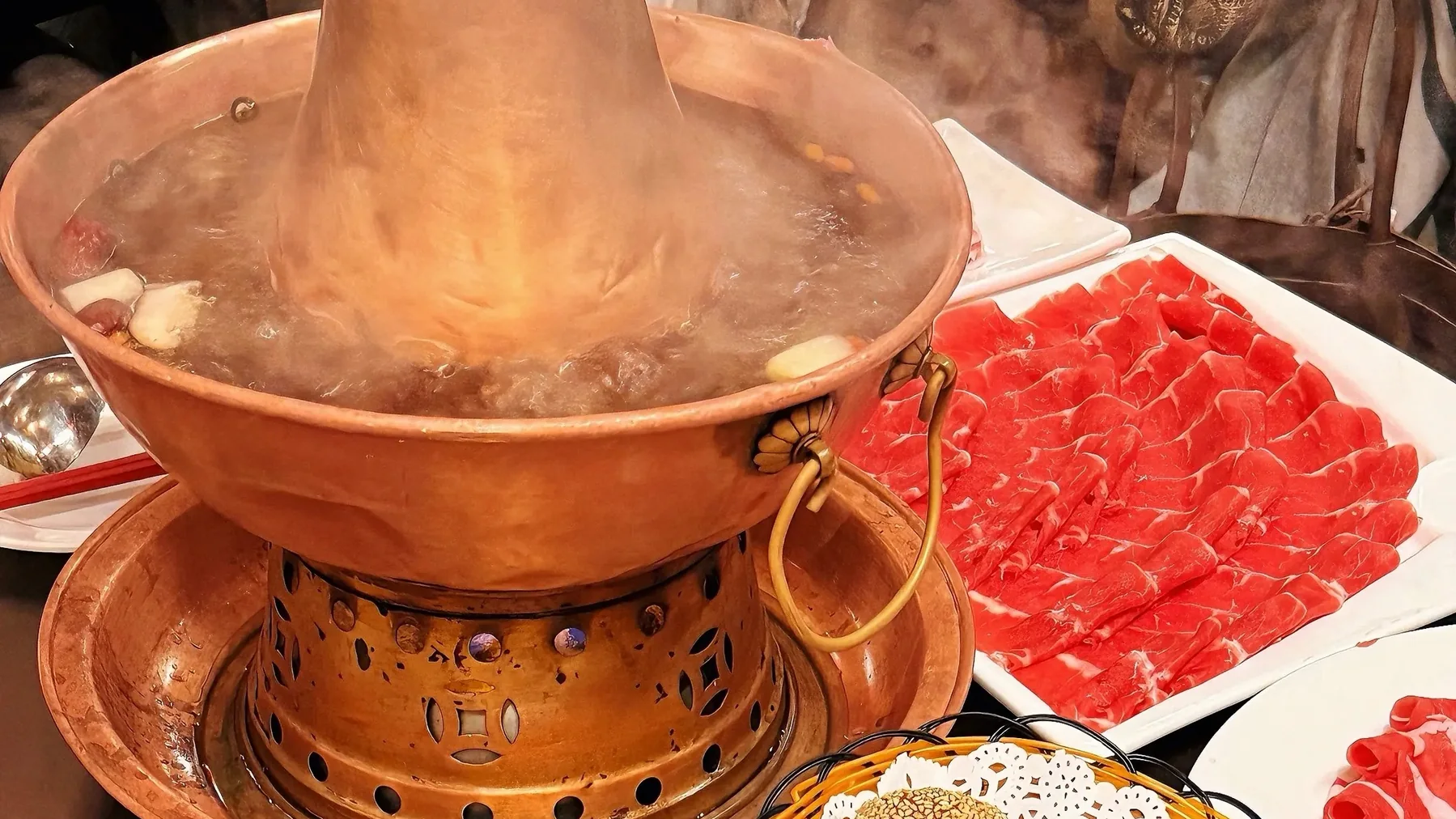
Back in Ming dynasty, Japanese pirates constantly raided China’s southeast coast,the imperial court ordered brave Tujia soldiers from western Hunan to march east and fight the invaders. The local Tujia chieftain Qin Yaozhi received the military order right before Lunar New Year. The soldiers might never return home, so he decided to celebrate the festival one day early so families could gather one last time.Time was extremely tight, so villagers threw all preserved cured meat, tofu and radishes into one big iron pot to stew together. This quick, all-in-one meal was named the “Combined Pot Dish”or Three Ingredients Pot.
This rushed New Year meal was passed down through generations and later evolved into today’s famous San Xia Guo. This history also created the unique Tujia custom of celebrating New Year one day early, called “Catching the Year”.
Winters in western Hunan are cold and damp, and ancient Tujia families had no refrigeration. They preserved meat by smoking it over fire pits. Smoking not only keeps meat edible for months, but also adds a rich wood-smoke aroma and prevents rot. Locally grown chili, bamboo shoots, tofu and dried tofu skin pair perfectly with smoky cured meat, creating layered rich flavors.
The original recipe only used three core ingredients – cured pork, tofu and radish cooked in one pot, hence the name meaning “three ingredients into the pot”.
San Xia Guo is far more than tasty food. It holds two core spirits of the Tujia people: First, deep patriotism, passed down from ancestors who left their families to defend the country against pirates. Second, the Tujia people’s warm, generous hospitality. Everyone sits around the fire pit sharing one pot, breaking the line between host and guest, representing the ethnic group’s love for reunion and community. Today it stands as the representative food of western Hunan, and a cultural symbol of the Tujia minority.