China travel inspiration
Why Visit Rural Zhangjiajie and Western Hunan?
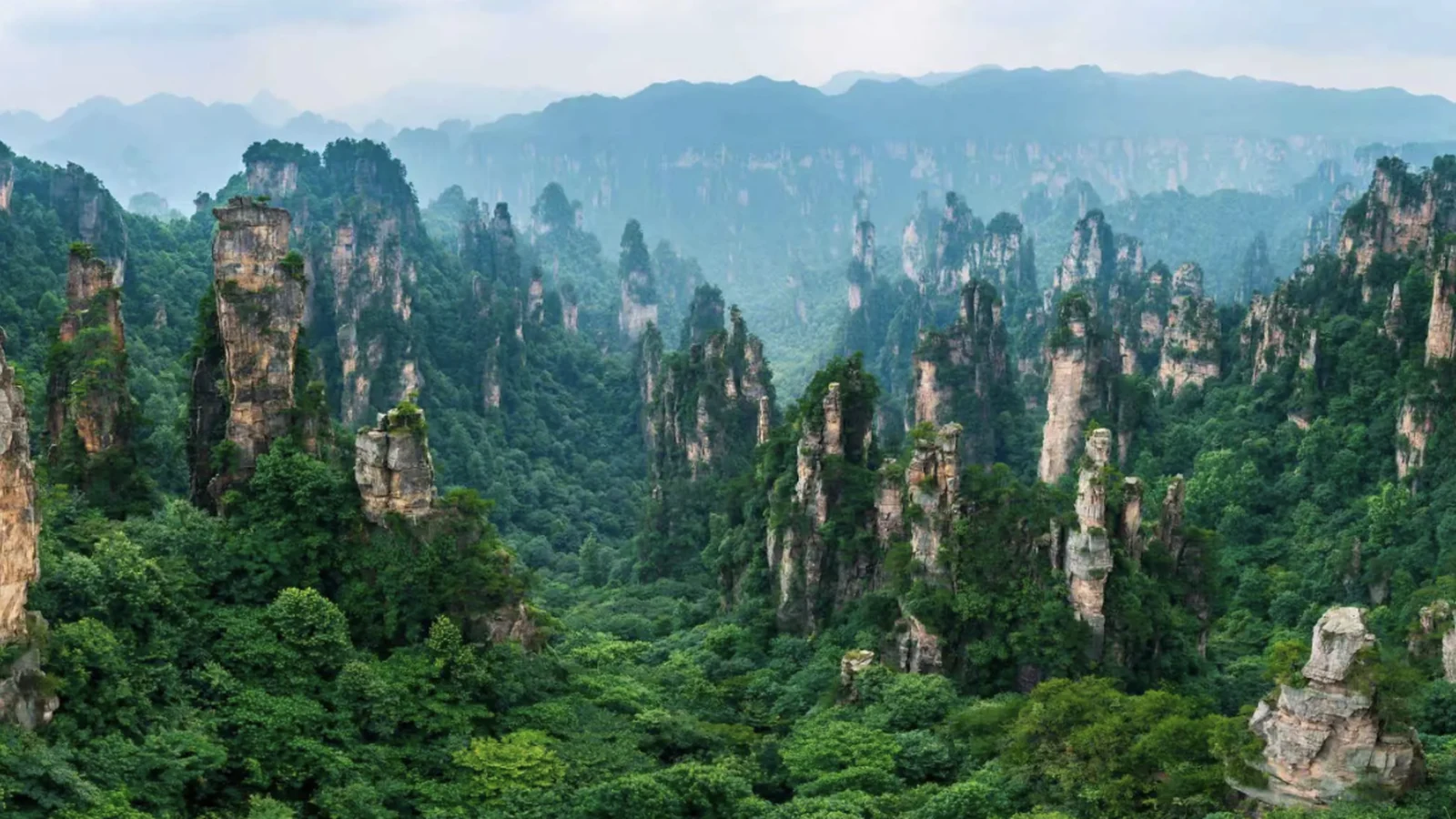
As I mentioned at the beginning, the main reasons to visit rural Zhangjiajie are its culture and nature. This part of China is home to many ethnic minority communities, especially the Miao and Tujia people. You will find wooden tilted houses, wind-and-rain bridges, silver workshops, embroidery, rice terraces, tea terraces, small markets, and villages that still feel alive.
The Tujia towns are especially interesting because of their cry marriage, language, San Xia Guo (Three Ingredients Pot) and “real walking dead”. Since Zhangjiajie was an isolated and mountainous place in the past, locals developed very special and even dramatic custom, for example: cry marriage. 1 month prior to their wedding day, the bride and gloom had to memorize all the ballads and do countless rehearsals so they could sing and weep perfectly during the wedding ritual. Back in old days, girls had to leave their parents’ homes after marriage to stay with their husbands’ families. Poor transport and rugged mountain terrain made it impossible for them to visit their parents often. Hence, wedding crying evolved into a sacred ritual for brides to convey their affection and gratitude toward their parents for raising them.
Not all Tujia people can still speak their mother tongue: the Tujia language. If you learn a little about this language, you’ll be surprised to know it has an independent grammatical structure of its own. It actually has more verb tenses than English!
Tujia language belongs to the Sino-Tibetan language family, under the Tibeto-Burman branch. It’s an extremely ancient, unique language that dated back 3,000 to 4,000 years ago, back in the Xia and Shang dynasties. The ancestors of the Tujia people were the Ba people who lived during that ancient era. Back then, they only spoke the Tujia language (not a written language), and it was the main language everyone used across the WulingYuan Mountain area (Zhangjiajie).
After the Ming and Qing dynasties, Emperor Yongzheng carried out a policy called “bureaucratization of native officers”. More and more Han Chinese speakers moved in this place, so people gradually switched to Mandarin. The Tujia language started fading away. Now, you can only hear native Tujia speech in a few remote mountain villages.